Home

Luke Willis Thompson | B42040A1A1A

11 Dec 2025 - 13 Mar 2026

Gallery One

Soro

Image: Production shot for Luke Willis Thompson, Soro (2025). Photo: Stephen Cleland


B42040A1A1A is a solo exhibition by Fijian New Zealand artist Luke Willis Thompson. The installation focuses on two major moving image artworks developed over the past three years, which each imagine a decolonial future for Aotearoa through the visual language of political theatre.


The exhibition includes the first Aotearoa presentation of Whakamoemoeā (2024), first exhibited at Sharjah Biennial 16. Whakamoemoeā figures recognised broadcaster, journalist, and politician, Oriini Kaipara, who delivers a powerful address in te reo Māori on the Waitangi grounds. Set in 2040, Whakamoemoeā imagines a constitutional transformation of Aotearoa, which transitions from a colonial Westminster-style governance to an Indigenous plurinational state, fulfilling the visionary aspirations of the 2016 report Matike Mai Aotearoa, originally championed by the late lawyer and intellectual Moana Jackson.

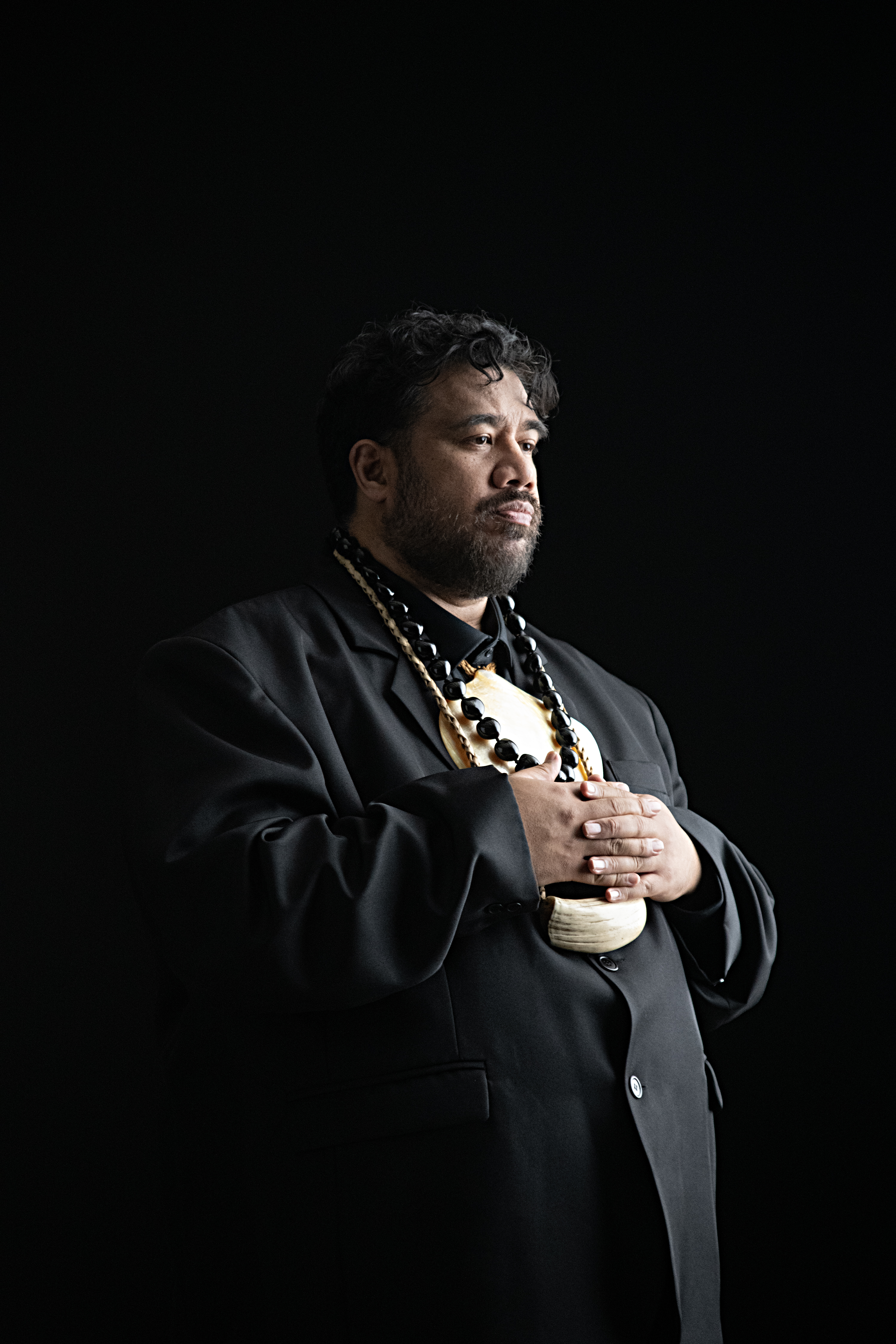
The exhibition is also the inaugural presentation of a new work in this series, which is similarly set in a not-too-distant future. Named after the i soro, a traditional Fijian model of reconciliation, Soro (2025) envisions a reenactment of the 2021 Dawn Raids Apology. Filmed in analogue black and white 35mm film, Thompson creates a dream-like atmosphere where an inferred yet unnamed Prime Minister delivers the speech out of frame. The camera focuses entirely on recognised NZSL interpreter Alan Wendt, who delivers and performs the address in Aotearoa's third official language. Set ten years after former Prime Minister Jacinda Ardern’s apology, Thompson's film imagines a bold and expansive set of reparations, including comprehensive compensation for victims of the raids, unrestricted travel for Pacific people to and from Aotearoa, and reparations for harms caused by climate change.


Whakamoemoeā was commissioned by the Sharjah Art Foundation and produced by Ordinary Films and Kura Productions. Soro was commissioned by Te Wai Ngutu Kākā Gallery and received generous support from the Ministry of Culture and Heritage’s Niu Dawn Initiative, administered by Creative New Zealand, as well as the Gow Family Foundation, and Kodak Ltd. Courtesy of the artist, Coastal Signs, Tāmaki Makaurau Auckland, and Galerie Nagel Draxler, Cologne/Berlin.

‘Uhila NAI | Tohi Kumi Koloa – Ko e tohi fepōtalanoa‘aki pea mo ‘eku fanga kui

27 Feb 2026 - 20 Mar 2026

Gallery Two


Soro


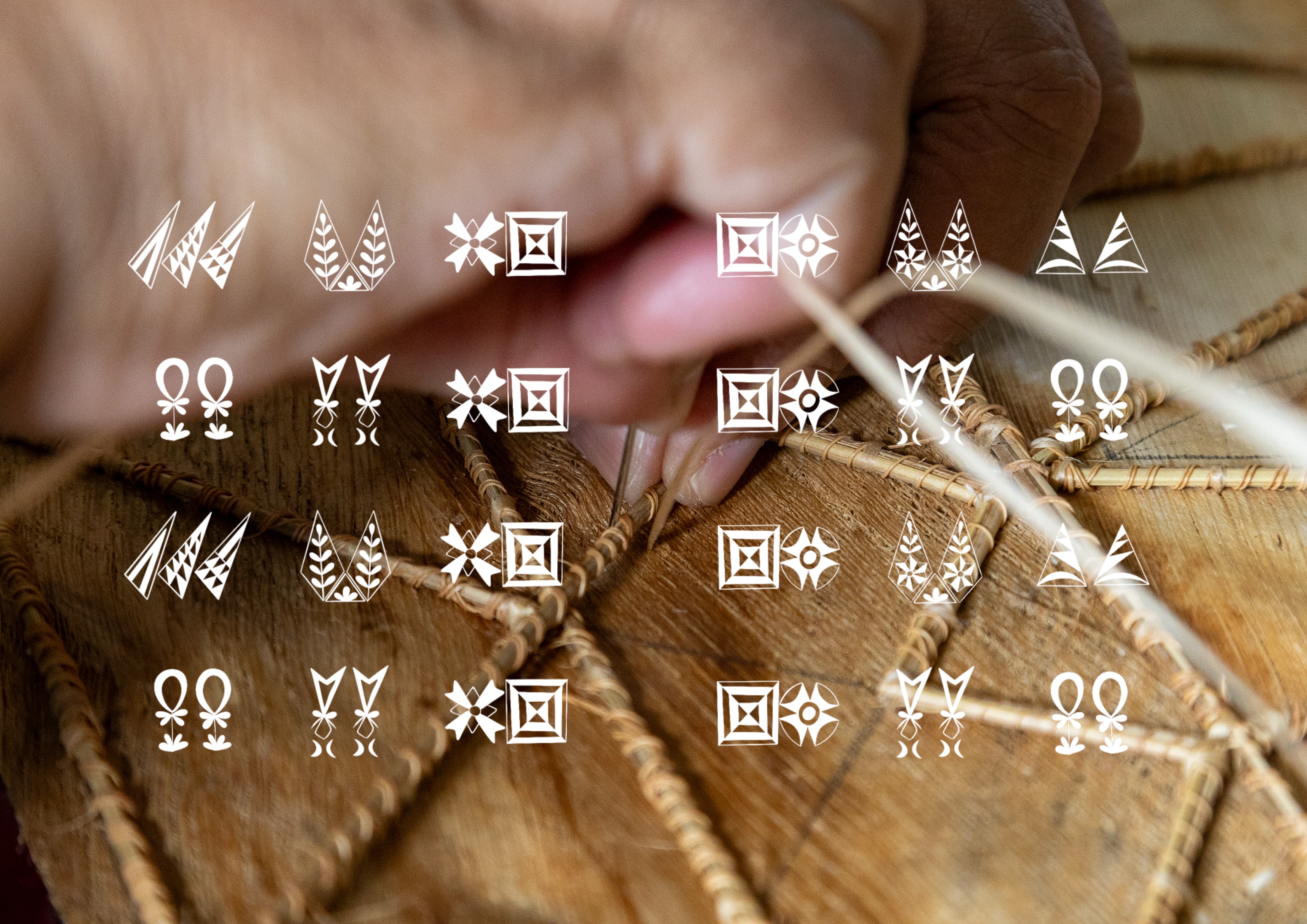
Tohi Kumi Koloa – Ko e tohi fepōtalanoa‘aki pea mo ‘eku fanga kui delves into the Tongan practices of ngatu (barkcloth) and kupesi (embroidered relief stencil) as a lived document of ‘Uhila Nai’s ancestors. The work is grounded in the Tongan way of thinking, making, and doing, while adapting to the present day; a practice that exists within and across the past, Tonga, and the present, Aotearoa New Zealand, as seen in the movement between people, land, and materials.

Central to this research is a personal collection of kupesi inherited from the artists nena (grandmother), ‘Ana Va‘inga Nai, and the hou‘eiki fafine (elder women) from their kautaha (association). As such, ‘Uhila asks “As a maker, how can I tauhi (take care of) all the tukufakaholo (knowledges and practices handed down) my nena left with me?”

This art practice is considered ‘lived research’, in which the methodology is a way of life, and the methods are how she carries herself when working across two different contexts, home in Tonga and here in Aotearoa. The practice draws upon the methodological framework of Tui Kupesi, which comprises four distinct components. These are tokonaki pe tānaki (providing or collecting together), veteki (taking apart), tuiaki (stitching back, collective making), and koloa (the gift). The core methods of veteki (taking apart/unpacking) and liuaki (coming back, going back and coming back) foreground an analytical exploration of a collection of personal kupesi. Through existing documentation, the mark-making speaks to intergenerational knowledge, tukufakaholo, tupu‘anga (place of origin), mape (mapping), fonua (land), ngāue fakataha (working together), and the kāpasa (compass) as a tool for navigating practice.

The work unfolds multiple voices of hou‘eiki fafine through liuaki, by observing, listening, and participating in their collective labour – through koka‘anga (production of ngatu making), fepōtalanoa‘aki (in conversation), and ngāue faka‘aho (our everyday life). Utilising traditional processes of ngatu and kupesi through printmaking, installation, sculpture, and scale, the project asks how traditional kupesi can be reinterpreted through a contemporary lens while honouring ancestral knowledge.